
Teaching your child how to read nutrition labels is a practical life skill that connects naturally to cooking, grocery shopping, and everyday decision-making. When students understand what’s on a food label, they gain confidence choosing snacks, planning meals, and thinking critically about what fuels their bodies.
For middle and high school students, learning to break down a nutrition label helps them recognize ingredients in familiar foods, understand portion sizes, and compare nutrients across products. These skills support long-term healthy habits and encourage independence, especially important as teens begin making more of their own food choices.
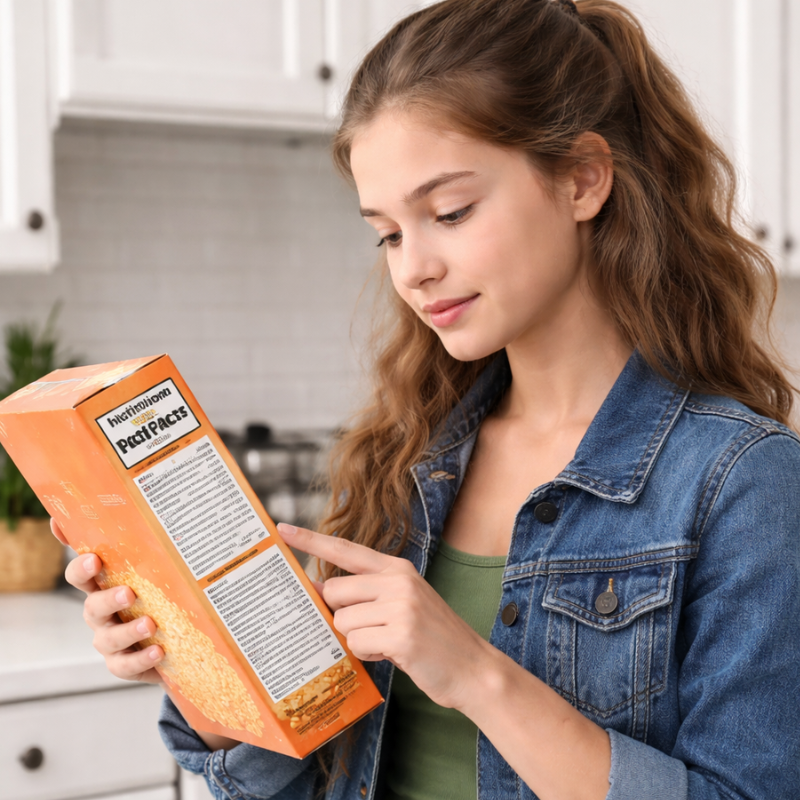
In this lesson, your student will explore nutrition labels through engaging worksheets and hands-on activities designed to make the topic approachable and meaningful, even in a home learning environment.
By the end of this lesson, your student will be able to:
Understand the Purpose of Nutrition Labels
Explain why nutrition labels exist and identify key parts such as serving size, calories, fats, sugars, and essential nutrients.
Analyze and Interpret Nutrition Labels
Use real or sample food labels to compare nutritional information and recognize nutrients that should be limited.
Apply Math Skills to Nutrition Label Information
Practice calculating serving sizes and percentages of daily values to better understand portion control and nutrient intake.
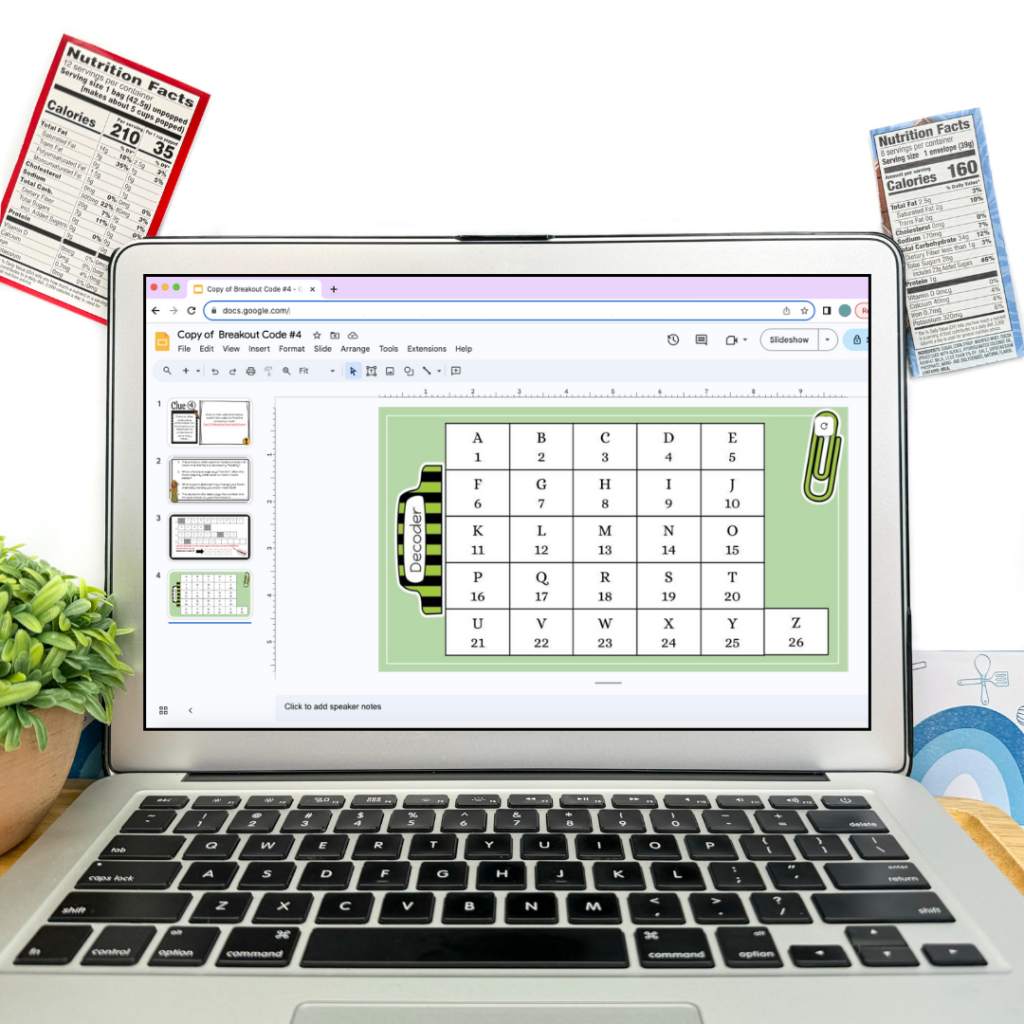
Understanding nutrition labels is an important first step. To go even deeper, consider pairing this lesson with a follow-up nutrition unit that focuses on dietary needs and essential nutrition vocabulary, helping your student build a strong foundation for lifelong healthy choices.
If you’d like, I can also adapt this lesson for multi-age siblings or suggest ways to tie it into meal planning or grocery shopping at home.
Teaching nutrition at home doesn’t have to feel intimidating or overly technical. With simple routines, real-world connections, and engaging activities, you can help your child understand what’s in their food, and why it matters.
One label at a time.